
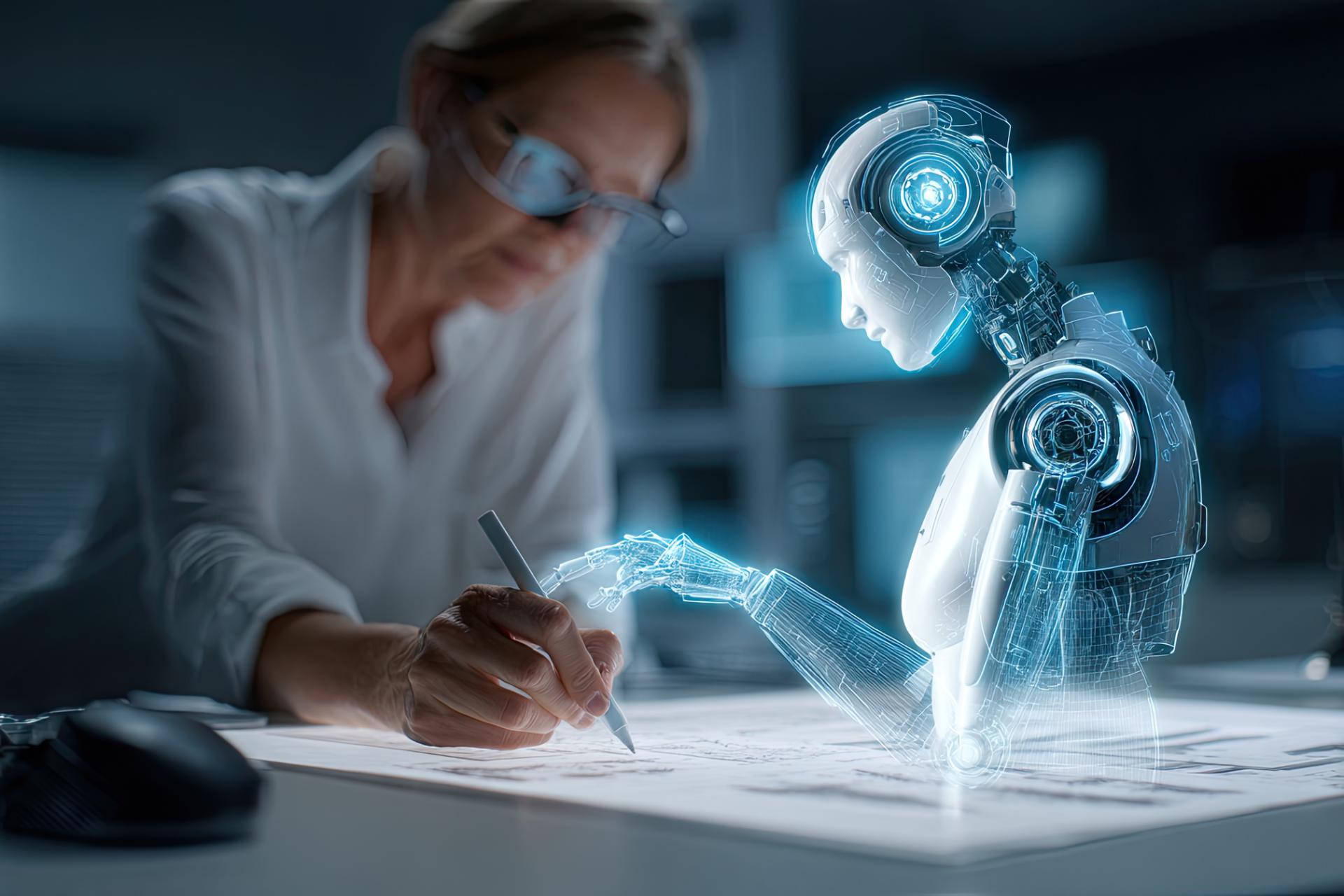
Everyone seems eager to share their thoughts about AI these days. I’m one of the few exceptions. I didn’t want to touch this topic because I felt that I lacked the expertise to even discuss it. However, I’ve been getting more and more questions from my patients about AI, specifically about how AI chatbots could potentially replace me and all therapists.
It seems like a no-brainer. With AI chatbots, you don’t need to go through a tedious vetting process to find the right professional who can help you. It’s on-demand so there’s no need to coordinate schedules. No need to worry if your insurance will cover it. And the clincher: you can use it free (for now).
The novelty factor of AI chatbots makes it enticing to use. These chatbots are LLMs (Large Language Models) trained on enormous amounts of available information – including text messages and emails – so they can simulate human-like responses.
After listening and discussing this development with trusted peers and my own clients, the more I realized the questions were not really about the technology, but about having a shortcut or “hack” to inner work and healing, conflict resolution, and other benefits that therapy (and a human therapist) provides.
I might not be able to write about inner workings of AI technology, but I can write about how important human connection is in therapy.
Research and studies have consistently shown that (human) therapeutic relationships are one of the strongest predictors of positive clinical outcomes. This has played out in my clinical practice so many ways through the years. Let me count the ways:
Building Trust
It might seem like confiding to a responsive, non-human entity is safer because AI is not capable of being “judgmental.”
I understand this fear of disapproval and rejection. Some people, especially those having therapy for the first time, might feel free to express themselves because they want to make a good impression and don’t want to say “too much.”
AI chatbots are trained in mirroring someone’s speech patterns, preferences, and thought process. It feels good chatting with them because they automatically validate what you tell them. While this is a good socialization skill, this remains a superficial interaction. The longer you chat, the more AI creates a reinforcing “loop” of what you want to hear without giving helpful insight or resolution.
There’s a key difference between going to a human-led therapy session vs. using AI chatbots to resolve inner conflict or anxiety. And that difference is the presence of a licensed mental health with real life experience.
A strong therapeutic relationship creates an emotionally safe environment where a client feels understood, accepted and not judged. This leads to honest disclosure, willingness to explore painful emotions, openness to change, and reduced defensiveness. AI cannot offer real empathy and experience mutual vulnerability. AI cannot demonstrate healthy anger, disappointment, of warmth. AI can simulate empathy, but not experience it.
Building Resilience
In the presence of a calm, empathic therapist, a client will develop resilience and have a better tolerance for distress – a kind of nervous system regulation.
My main job isn’t to simply make someone “feel good” or tell a client what they want to hear. More than giving relief and comfort to someone experiencing difficult moments, my purpose is to guide them to helpful, appropriate insights and sustainable coping skills. This journey just isn’t possible without a human therapist’s professional guidance.
Building Meaning and Understanding
In addition to hearing what the client says, a therapist is tuned to tone, expression, nuance of context, relational patterns and trauma history. The therapist can help them identify their blind spots. AI cannot really understand the client’s tone, expressions or meanings of silence. In fact, AI can’t be trained to interpret silence.
Building Real Connection
It’s difficult to underestimate the uniqueness of human-to-human interaction in therapy sessions. Working with the right therapist, a client forms a strong alliance with them that motivates them to greater engagement.
In my field of relationship therapy, no situation is ever cut-and dried. No amount of data or information can determine the right context or advice for each unique situation. No simulation can model how to navigate the nuances of conflict resolution and healing in an intimate relationship. Setting boundaries looks different for different people – what works for one would be disastrous when applied to the other.
I think that the lack of real, meaningful feedback from AI is its biggest disadvantage. While the indulgence might feel good, the dopamine high doesn’t last long. The issues in real life are still there and won’t go away by escaping the chat. The therapeutic experience and humanity create interpersonal depth that AI does not possess.
Humans need the period of discomfort and uncertainty to learn, grow, and nurture healthy relationships. Working with a therapist teaches us how to remain connected even in this crucial stage.
Last but not least, I would be irresponsible if I didn’t point out that licensed therapists are grounded in professional ethics and accountable for their clients. We are legally bound by HIPPA (Healthcare Insurance Portability and Accountability Act) to honor your privacy.
HIPPA doesn’t apply to any interactions with AI chatbots. It doesn’t have a moral or ethical state in the client’s well-being. They might be trained with the widest database and biggest information sources in history, but their purpose and mandate are not rooted in human care.
When we remember that AI technology is simply another tool that we need to use responsibly, it becomes easier to grasp. While there are many ways it could make our lives easier, it cannot be a substitute for expert, human guidance needed for inner work, conflict resolution, and mental health support.
Wishing you good health, happiness and a sense of belonging,
Dr. Deb
0 Comments